Understanding the Importance of a Drainage Survey for Build Over Agreement
In the UK, the need for a comprehensive drainage survey is paramount when planning construction projects, particularly those that involve building over or near existing drainage systems. A Drainage Survey for Build Over Agreement not only identifies current drainage conditions but also ensures that any new structures comply with local regulations, preventing future complications. This process is essential for safeguarding property investments and ensuring that drainage infrastructure remains functional and unobstructed.
What is a Drainage Survey?
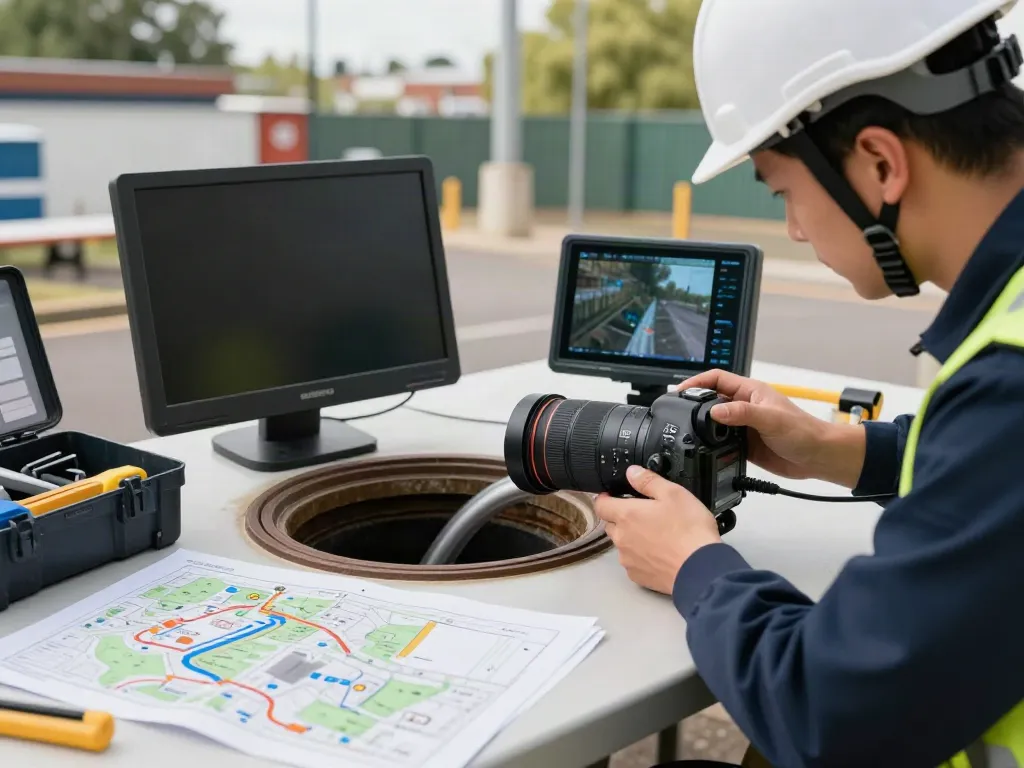
A drainage survey is a detailed inspection of the underground drainage system, typically conducted using CCTV technology. This non-invasive method allows surveyors to visually assess the condition of pipes, identifying any blockages, leaks, or structural issues that could pose risks to new construction or existing structures. The survey not only captures video footage but also generates reports detailing the findings, which can be vital for planning and compliance.
Key Benefits of Conducting a Drainage Survey
- Identifying Potential Issues: Early detection of problems helps avoid costly repairs later on.
- Regulatory Compliance: Ensures adherence to local building regulations and planning permissions.
- Accurate Mapping: Provides crucial data about the drainage layout, assisting in efficient construction planning.
- Peace of Mind: Knowing the condition of existing drainage systems alleviates concerns for property owners and developers.
Legal Requirements for Build Over Agreements
When planning to build over sewer systems, obtaining a Build Over Agreement from local water authorities is often a legal requirement. This agreement is designed to protect public sewer systems and ensure that any constructions do not impede their functionality. Conducting a drainage survey is typically a prerequisite for applying for this agreement, as it documents the current state of the drainage and provides evidence that the proposed construction will not affect it adversely.
Preparing for Your Drainage Survey
Preparation is key to a successful drainage survey, ensuring that all aspects are covered and that the survey runs smoothly. Here are some essential steps to consider during the preparation phase.
Choosing the Right Surveyor for Your Project
Selecting a qualified and experienced drainage surveyor is crucial. Look for professionals who are accredited and familiar with the specific regulations pertaining to Build Over Agreements in your area. Check for certifications and customer reviews to ensure reliability.
Essential Equipment and Technology Used
Modern drainage surveys utilize advanced CCTV technology, including high-resolution cameras and software like WinCan, which facilitates detailed reporting. Ground-penetrating radar (GPR) may also be employed to gather additional data about underground structures.
Common Preparations and Guidelines to Follow
- Notify relevant stakeholders and obtain all necessary permissions before starting the survey.
- Ensure that access points to drainage are clear and accessible for the survey equipment.
- Prepare existing documentation about the drainage system, including maps or previous survey reports.
Challenges in Drainage Surveys for Build Over Agreements
While drainage surveys are crucial, they often come with specific challenges that must be navigated effectively.
Identifying Potential Drainage Issues
Older and complex drainage systems may present hidden issues that are not immediately visible. Surveyors must be thorough in analysis, as unnoticed problems can lead to significant complications during and after construction.
Handling Old and Complex Drainage Systems
Many urban areas, especially in London and Surrey, have intricate and aged drainage systems. Surveyors may need to employ specialised techniques and tools, such as sonar mapping, to accurately identify and document these older systems.
Dealing with Local Regulations and Compliance
Regulatory compliance can be daunting. Each local authority may have different requirements for drainage surveys, especially when they pertain to Build Over Agreements. Ensuring that all aspects of the survey meet these regulations is critical for project approval.
Post-Survey Actions and Recommendations
Once the survey is complete, the next steps are vital for ensuring the successful integration of new constructions with existing drainage systems.
Interpreting the Survey Results
Survey results should be carefully reviewed, ideally by both the surveyor and the project team, to understand the implications of the findings. Key metrics to consider include pipe conditions, potential blockages, and exact drainage layouts.
Implementing Necessary Repairs or Adjustments
Depending on the survey findings, necessary repairs should be undertaken before commencing construction. This may involve clearing blockages, repairing damaged pipes, or even upgrading parts of the existing system to accommodate new infrastructure.
Maintaining Compliance with Build Over Agreement Conditions
Any construction work must adhere strictly to the conditions set out in the Build Over Agreement. This may include maintaining certain distances from existing sewers or implementing specific construction methods to protect the drainage system.
Future Trends in Drainage Surveys and Build Over Agreements
The field of drainage surveying is continuously evolving, influenced by advancements in technology and changing environmental factors.
Advances in CCTV Technology and Software
Innovations in CCTV technology enhance the quality and efficiency of drainage surveys. Newer cameras can provide more comprehensive data, such as high-definition images and real-time monitoring capabilities, which aid in quicker decision-making.
Impact of Climate Change on Drainage Systems
With increasing instances of extreme weather, drainage systems must be evaluated for their ability to cope with heavy rainfall and flooding. Future surveys may need to incorporate climate resilience assessments as part of their standard procedures.
Preparing for Regulatory Changes in 2026
As regulations evolve, particularly in response to environmental concerns, drainage surveys will need to adapt. Staying informed about upcoming legislative changes will be critical for surveyors and construction professionals alike.
What is a drainage survey for build over agreements?
A drainage survey for build over agreements is a critical examination of existing drainage systems to ensure that construction does not impede their function. It provides essential data for stakeholders to make informed decisions.
What are the costs associated with drainage surveys?
The costs of drainage surveys can vary significantly based on location, complexity, and survey type. It is advisable to obtain quotes from multiple accredited surveyors to ensure competitive pricing.
Is a CCTV survey necessary for building over a sewer?
Yes, a CCTV survey is typically required when planning to build over a sewer to ensure compliance with local regulations and to identify any existing issues that may need addressing before construction begins.
How can I prepare for a drainage survey?
Preparation involves clearing access points, obtaining necessary permissions, and gathering any existing drainage documentation or reports that may assist the surveyor in their work.
What common issues can a drainage survey reveal?
Common issues revealed by drainage surveys include blockages, leaking joints, pipe cracks, and misaligned pipes. Identifying these problems early can prevent costly repairs and ensure compliance with regulations.